inside home designmode24: Innovative Interior Ideas for Modern Homes
inside home designmode24 has become an essential consideration for homeowners, architects, and interior enthusiasts who aim to blend functionality with aesthetic appeal. As the global interest in home improvement continues to rise, the way we design our living spaces has evolved dramatically. Today, interior design goes beyond simply arranging furniture—it encompasses lighting, color schemes, textures, and innovative materials that transform ordinary homes into spaces that inspire comfort, creativity, and elegance.
The concept of modern interior design has grown popular in urban centers, particularly in cities that embrace cutting-edge architecture. People are increasingly interested in making their homes reflective of their personalities while maintaining a harmonious balance between style and usability. Modern homeowners often experiment with sleek designs, bold color contrasts, and sustainable materials. The integration of technology, such as smart home systems and energy-efficient appliances, has also reshaped the way spaces are designed and utilized.
The Evolution of Interior Design
Interior design has a long and rich history that mirrors cultural shifts, economic growth, and technological advancements. Early design trends focused on functional living, with minimal emphasis on aesthetics. Over time, as societies became more affluent and exposed to international influences, interior design transformed into an expressive medium. From Victorian opulence to mid-century modern minimalism, every era has left a mark on how homes are curated today.
In the 21st century, inside home designmode24 signifies a merging of tradition and innovation. Modern homeowners draw inspiration from diverse cultures, blending rustic textures with contemporary finishes to create a unique identity. The introduction of digital tools has also allowed designers to visualize spaces before execution, making the design process more precise and efficient.
Key Principles of Modern Home Interiors
Understanding the fundamental principles of modern interior design is crucial for creating spaces that are not only beautiful but also functional. One of the primary principles is spatial planning, which ensures that rooms are arranged to maximize both comfort and flow. Strategic placement of furniture, storage solutions, and activity zones can make even small apartments feel spacious and welcoming.
Another essential principle is the thoughtful use of color. Neutral shades often form the foundation of modern interiors, while accent colors add personality and vibrancy. Designers pay special attention to lighting, utilizing natural light whenever possible and supplementing it with layered artificial lighting to create ambiance. Textures and materials, such as wood, stone, and metal, are selected to enhance both tactile and visual appeal.
Popular Styles in Interior Design
The world of interior design is vast, offering numerous styles that cater to diverse tastes. Minimalist design is renowned for its clean lines and uncluttered spaces, creating a sense of calm and order. On the other hand, industrial design emphasizes raw materials, exposed structures, and a neutral color palette, often reflecting urban loft aesthetics.
Scandinavian design has gained significant popularity for its combination of simplicity, functionality, and warmth. The style emphasizes natural materials, soft colors, and practical furniture that enhances everyday living. Bohemian interiors, in contrast, are eclectic and expressive, allowing homeowners to combine patterns, textures, and vibrant colors to convey personality and creativity. inside home designmode24 often incorporates elements from multiple styles, creating hybrid designs that feel personalized and dynamic.
The Role of Technology in Home Design
Technology has revolutionized interior design by enabling greater precision and creativity. 3D modeling software allows designers to experiment with layouts, color palettes, and furniture arrangements before committing to physical changes. Virtual reality (VR) and augmented reality (AR) tools provide immersive experiences, letting homeowners visualize their homes from multiple perspectives.
Smart home systems are also becoming integral to modern interiors. Lighting, heating, security, and entertainment systems can now be controlled remotely, enhancing both convenience and energy efficiency. inside home designmode24 reflects this integration, as designers increasingly consider technological infrastructure when planning layouts, ensuring that spaces are both stylish and future-ready.
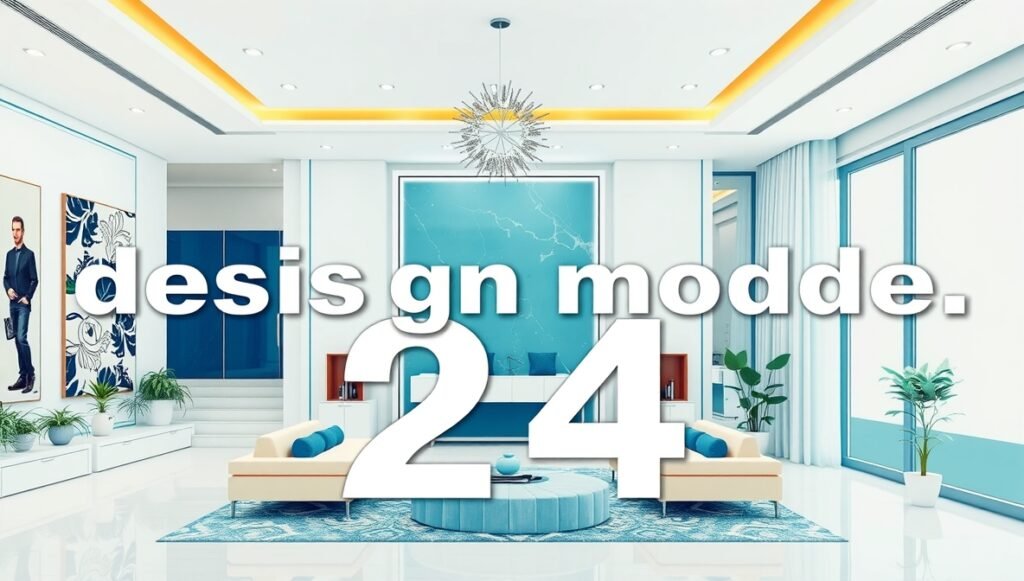
Sustainability in Home Design
Sustainability has become a defining feature of contemporary interior design. Homeowners are more conscious of environmental impact and prefer eco-friendly materials, energy-efficient appliances, and sustainable construction practices. Recycled wood, bamboo, low-VOC paints, and reclaimed metals are now commonly used to reduce environmental footprints. designmode24 tools tech
In addition, passive design strategies, such as maximizing natural ventilation and sunlight, help reduce reliance on artificial climate control. Homeowners in the United States and other countries are embracing sustainable practices not only for environmental reasons but also for long-term cost savings. inside home designmode24 increasingly prioritizes sustainability, marrying style with responsibility.
Furniture and Layout Considerations
Choosing the right furniture and layout is pivotal for any interior design project. Modern homes often favor multifunctional furniture that adapts to varying needs, such as sofa beds, extendable dining tables, and modular shelving. The arrangement of furniture should support smooth movement within rooms, creating a sense of openness while maintaining defined activity zones.
Textures and materials are equally important when selecting furniture. Wood, metal, leather, and fabric are combined to create visual depth and tactile comfort. Accessories like rugs, cushions, and throws contribute warmth and personality to interiors. inside home designmode24 highlights how strategic furniture placement can transform ordinary rooms into elegant, functional spaces.
Lighting: Enhancing Mood and Functionality
Lighting is one of the most influential elements in interior design. Proper lighting can enhance the perception of space, highlight architectural features, and influence mood. Natural light is often prioritized, with large windows, skylights, and open floor plans maximizing sunlight exposure.
Artificial lighting complements natural light and serves multiple purposes: task lighting for reading or cooking, ambient lighting for overall illumination, and accent lighting to draw attention to decorative elements. Contemporary homes often use LED fixtures, smart bulbs, and dimming systems to create versatile lighting schemes. inside home designmode24 underscores the importance of layered lighting in crafting inviting and practical interiors.
Color Schemes and Textures
Color selection defines the character of a home. Neutral colors, such as beige, gray, and white, provide a flexible canvas for interiors, allowing accents to shine. Bold colors can be used strategically to energize spaces, while pastels create a soothing atmosphere.
Textures add dimension to interior spaces. Smooth surfaces reflect light, enhancing brightness, while rough textures, like brick or stone, add depth and tactile richness. Layering different textures through fabrics, furniture, and decorative elements creates a cohesive and inviting environment. inside home designmode24 emphasizes the art of combining color and texture to achieve balance and visual appeal.
Incorporating Art and Decor
Art and decor are crucial for personalizing interiors. Paintings, sculptures, photographs, and handmade crafts reflect the homeowner’s personality and taste. Statement pieces can anchor a room, while smaller items contribute to cohesion and detail.
Decorative elements, such as mirrors, vases, and plants, enhance visual interest and functionality. Indoor plants, in particular, promote wellness and improve air quality. inside home designmode24 demonstrates how thoughtful decor can elevate simple spaces into expressive and stylish environments. harmonicode, avstarnews, mogothrow77, aliensync, decoratoradvice, everythingnew.net, convwbfamily, designmode24, revolvertech, ontpeconomy, techoelite, luxuryinteriors.org, projectrethink, wealthybyte, bouncemediagroup, schulabschluss, hizzaboloufazic, gullrazwupolxin, lcfmodgeeks, onpresscapital, travellingapples.
Kitchen and Bathroom Innovations
Kitchens and bathrooms are essential areas where design meets functionality. Modern kitchens focus on efficiency, storage, and workflow, with islands, pull-out cabinets, and smart appliances improving usability. Sleek surfaces, contemporary hardware, and thoughtful lighting complete the aesthetic.
Bathrooms have evolved from purely functional spaces into wellness sanctuaries. Walk-in showers, freestanding tubs, and ambient lighting create spa-like experiences at home. Sustainable fixtures and water-saving technologies also contribute to environmental responsibility. inside home designmode24 emphasizes the importance of marrying practical requirements with aesthetic sensibilities in these critical spaces.
Outdoor Living Spaces
Outdoor areas are increasingly seen as extensions of indoor living. Patios, terraces, and gardens are designed for relaxation, entertainment, and social gatherings. Comfortable seating, lighting, and greenery create inviting environments that blur the line between indoors and outdoors.
Materials like weather-resistant wood, stone, and metal are used to ensure durability without compromising style. Outdoor kitchens, fire pits, and water features add luxury and functionality. inside home designmode24 shows that outdoor design is an integral part of comprehensive home planning.
The Psychology of Design
Interior design impacts mental health and well-being. Colors, lighting, spatial arrangements, and textures influence mood, energy levels, and productivity. Warm tones can create comfort, while cool shades promote relaxation. Decluttered spaces reduce stress, while thoughtful layouts improve efficiency.
Designers consider human behavior when planning spaces, ensuring that interiors support daily routines and emotional well-being. inside home designmode24 embraces the science of design, recognizing that aesthetic choices can profoundly affect lifestyle and happiness.
Future Trends in Interior Design
The future of interior design is characterized by innovation, personalization, and sustainability. Smart homes, flexible furniture, and adaptive lighting systems will become standard. Biophilic design, which incorporates natural elements into interiors, will continue to grow in popularity.
Customization and technology-driven solutions will allow homeowners to design spaces tailored to their exact preferences. inside home designmode24 represents this evolution, reflecting a world where creativity, practicality, and ecological responsibility converge to redefine modern living.
Conclusion
Interior design is more than decoration—it is the art of shaping spaces to enhance lifestyle, comfort, and personal expression. From the choice of colors, textures, and furniture to the integration of technology and sustainable practices, every element contributes to the harmony and functionality of a home.
inside home designmode24 exemplifies modern trends that merge style, innovation, and environmental consciousness. By embracing these principles, homeowners can create spaces that are not only visually stunning but also functional and reflective of their unique personalities. Whether in the United States or anywhere else, the pursuit of thoughtful and creative design continues to transform homes into sanctuaries of beauty, comfort, and inspiration.
Incorporating flexibility, technological advancements, and eco-friendly solutions ensures that modern interiors remain relevant and adaptable for years to come. As interior design evolves, the opportunities to create personalized, efficient, and aesthetically pleasing living spaces are virtually limitless. The thoughtful application of inside home designmode24 principles guarantees that homes are not just places to live but environments that nurture creativity, well-being, and a sense of belonging.