interior designmode24 – Modern Strategies for Stylish and Functional Spaces
Interior spaces are no longer viewed as simple shelters or decorative shells; they are now extensions of personality, lifestyle, and cultural identity. As people spend more time indoors, the importance of thoughtful design has grown significantly. From residential homes to commercial spaces, interior design shapes how individuals feel, think, and interact with their surroundings. The concept of interior designmode24 reflects a modern approach that blends creativity with functionality, focusing on adaptable styles that suit contemporary living. It represents a way of thinking about interiors that values both aesthetic harmony and practical use. Understanding this approach helps homeowners and professionals make informed decisions that improve comfort and visual appeal without sacrificing purpose.
The Evolution of Interior Design
Interior design has evolved through many phases, each influenced by historical events, cultural movements, and technological progress. In earlier eras, design choices were guided by tradition and limited resources. Furniture was often handcrafted, and decorative elements reflected local craftsmanship. Over time, industrialization introduced mass production, making furnishings more accessible and varied.
In the modern age, interior designmode24 symbolizes a shift toward flexibility and innovation. Rather than following a single rigid style, contemporary interiors combine elements from different traditions. Minimalism, industrial textures, and natural materials coexist in balanced compositions. This evolution demonstrates how design adapts to changing lifestyles, offering solutions that respond to smaller living spaces, remote work environments, and the desire for personalization.
Functionality and Comfort
A well-designed interior must prioritize function as much as beauty. Furniture placement, lighting, and spatial planning directly affect how a room is used. Poorly arranged spaces can create discomfort and inefficiency, while thoughtful layouts promote ease of movement and relaxation.
The principles behind interior designmode24 emphasize comfort without compromising style. Seating is chosen for both support and visual harmony, while storage solutions blend seamlessly into the environment. Designers consider how people move through a space, ensuring that pathways are clear and areas are purpose-driven. This focus on usability transforms rooms into supportive environments rather than mere visual displays .designmode24 design
Color and Emotional Influence
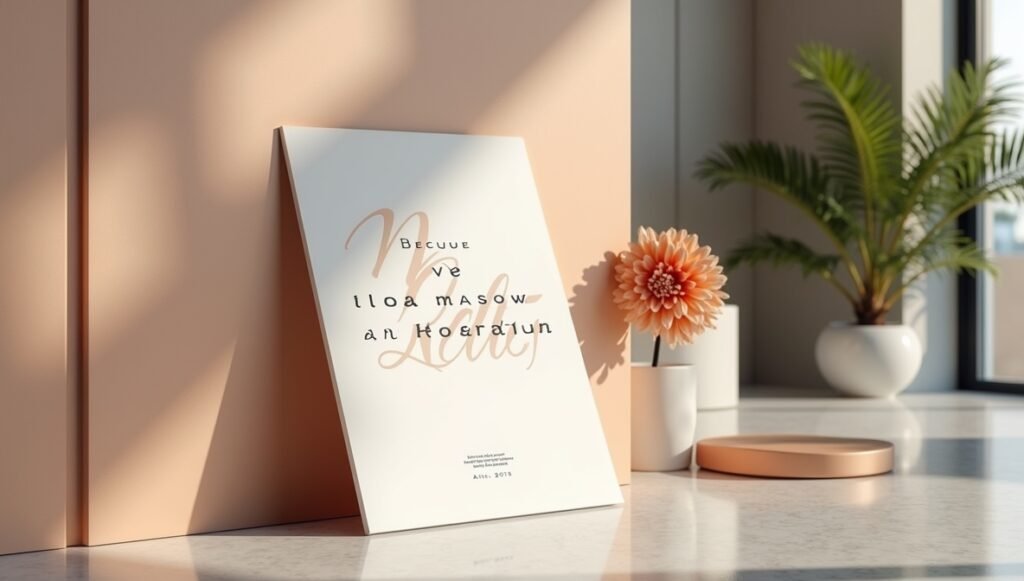
Color plays a powerful role in shaping mood and perception. Warm tones can create feelings of energy and intimacy, while cool shades often promote calm and focus. Designers carefully select palettes based on the intended function of each room. Bedrooms may favor soothing hues, while kitchens and workspaces benefit from brighter accents.
Through interior designmode24, color becomes a tool for emotional balance. Instead of overwhelming a room with strong contrasts, designers integrate subtle variations that enhance depth. Accent walls, textiles, and decorative objects provide visual interest without disrupting harmony. This thoughtful use of color allows interiors to reflect both personality and purpose, creating environments that feel welcoming and expressive.
Materials and Texture
Materials define the tactile experience of a space. Wood, stone, metal, and fabric each contribute unique qualities that influence how a room feels. Texture adds dimension, preventing interiors from appearing flat or monotonous. A combination of smooth and rough surfaces creates visual contrast and sensory richness.
In the context of interior designmode24, material selection balances durability with elegance. Sustainable options such as reclaimed wood or natural fibers are increasingly favored, aligning with environmental awareness. Textures are layered through rugs, cushions, and wall treatments, adding warmth and character. This approach ensures that spaces remain visually engaging while also being comfortable and resilient.
Lighting and Atmosphere
Lighting is one of the most transformative elements of interior design. Natural light enhances openness and well-being, while artificial lighting allows control over mood and functionality. A single room may require multiple light sources to accommodate different activities, from reading to social gatherings.
The strategy of interior designmode24 highlights the importance of layered lighting. Ambient lights provide overall illumination, task lights support specific functions, and accent lights draw attention to architectural features or artwork. This layered approach creates adaptable environments that change according to time of day and user needs. Proper lighting not only improves visibility but also emphasizes textures and colors, enhancing the overall aesthetic.
Space Planning and Flow
Effective space planning ensures that each area serves a clear purpose while maintaining visual coherence. Designers analyze room dimensions, traffic patterns, and furniture proportions to create balanced compositions. Open-plan layouts, for example, require careful zoning to distinguish between dining, living, and working areas.
With interior designmode24, flow becomes a central concept. Rooms are arranged to guide movement naturally, reducing clutter and confusion. Visual continuity is achieved through consistent color schemes and material choices. This planning allows interiors to feel larger and more organized, even when square footage is limited. A well-planned space supports daily routines and enhances overall quality of life.
Personalization and Identity
Interiors often serve as reflections of the people who inhabit them. Personal objects, artwork, and heirlooms contribute to a sense of identity and belonging. While trends influence design choices, individuality remains essential for creating meaningful spaces.
The philosophy behind interior designmode24 supports personalization through thoughtful curation rather than excess. Instead of overcrowding rooms with decorations, designers encourage selective display of items that carry emotional value. This approach balances personal expression with visual clarity. As a result, interiors become narratives of experience and taste, rather than collections of random objects.
Sustainability and Responsibility
Environmental awareness has become a major factor in design decisions. Energy-efficient lighting, eco-friendly materials, and long-lasting furnishings reduce the ecological footprint of interiors. Sustainable design also considers the life cycle of products, from production to disposal.
Through interior designmode24, sustainability is integrated into aesthetics. Natural materials and neutral palettes create timeless looks that resist rapid trend changes. This reduces the need for frequent renovations and waste. Designers also promote recycling and repurposing, demonstrating that responsible choices can coexist with elegance and innovation.
Technology in Modern Interiors
Smart technology has reshaped how interiors function. Automated lighting, temperature control, and entertainment systems enhance convenience and efficiency. These features must be incorporated thoughtfully to avoid disrupting visual harmony.
In line with interior designmode24, technology is treated as an invisible assistant rather than a dominant feature. Devices are concealed or integrated into furniture and walls, maintaining clean lines and uncluttered surfaces. This seamless integration allows residents to enjoy modern comforts without compromising style. Technology thus becomes part of the design narrative, supporting daily life while preserving aesthetic integrity.
Cultural and Global Influences
Interior design draws inspiration from cultures around the world. Patterns, colors, and materials from different regions contribute to diverse visual languages. Global exchange has made it easier to access these influences, enriching design possibilities.
The approach of interior designmode24 embraces cultural diversity through subtle incorporation rather than imitation. Textiles, ceramics, and artworks add international character without overwhelming local identity. This blending of influences fosters appreciation for craftsmanship and tradition while supporting modern living standards. Interiors become spaces where global perspectives meet personal taste.
Conclusion
Interior design is a dynamic discipline that merges art, psychology, and engineering. It shapes how people interact with their surroundings and influences emotional well-being. By considering function, color, materials, and technology, designers create environments that are both practical and inspiring. The concept of interior designmode24 captures the spirit of contemporary design, emphasizing adaptability, sustainability, and individuality.
As lifestyles continue to evolve, interior spaces must respond with flexibility and creativity. Thoughtful planning and responsible choices ensure that interiors remain relevant and supportive over time. Ultimately, well-designed spaces do more than please the eye; they nurture comfort, expression, and connection, making them essential components of modern life.